Grown, Not Bought: Why My Seed-Started Salvia Became a Hummingbird Magnet
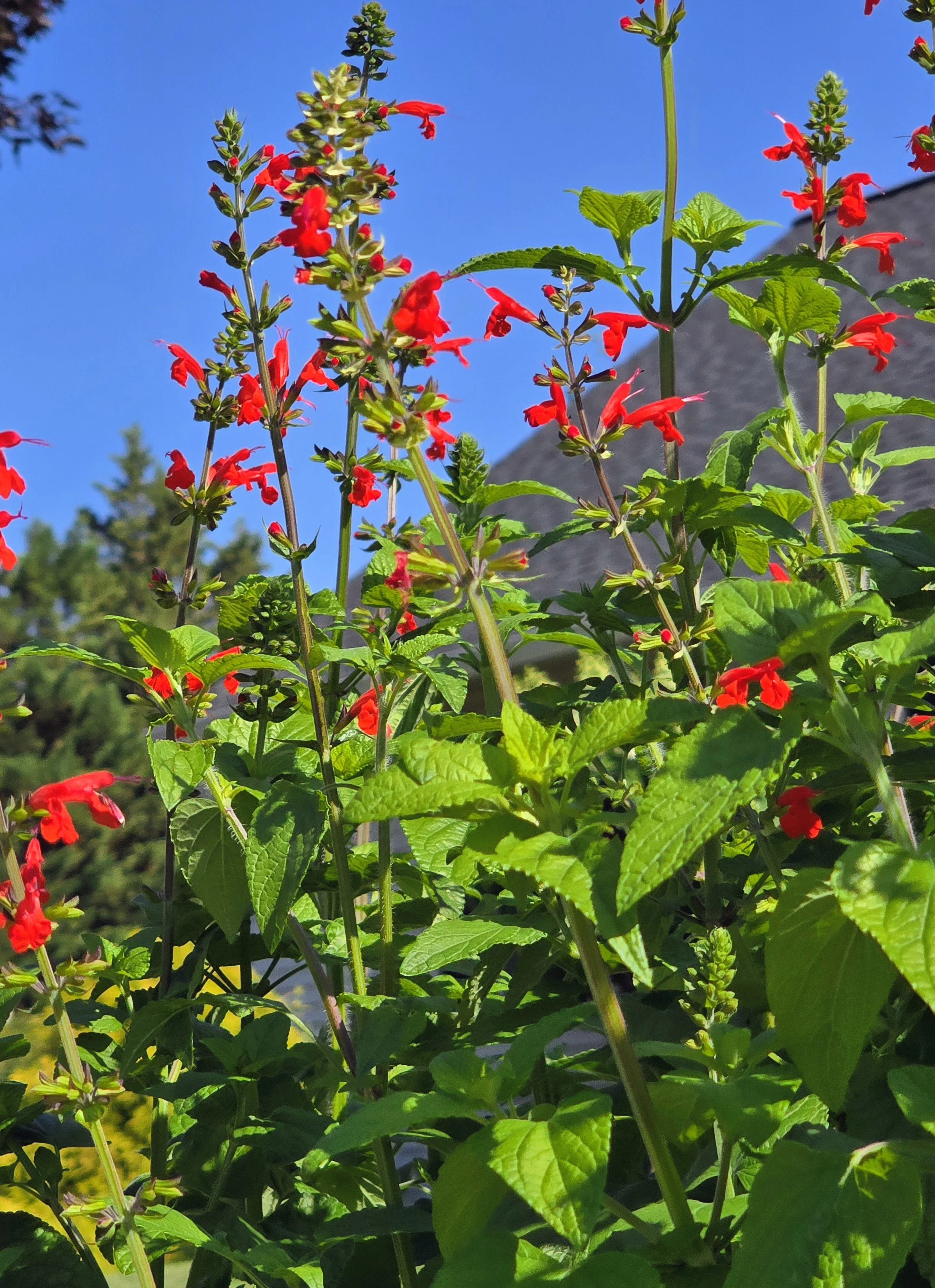
My beautiful Salvia that started in my basement.
This was actually my first year ever growing salvia. When we moved north, I wanted to build a hummingbird haven — partly for me, but mostly for my husband. He's a serious bird enthusiast, binoculars always within reach, and I hoped a yard full of hummingbird activity might help him find a little of the joy he'd left behind in Alabama. So I researched what plants I'd need, and salvia kept coming up at the top of every list.
I started the seeds first. But watching how small and slow they were growing, I got nervous they'd never bloom in time — so I went and bought salvia plants from the garden center as backup, along with a few other insurance purchases just in case my seedlings didn't pull through.
I tucked the store-bought salvia into the hummingbird haven and expected the hummers to move right in. They never did. I'd watch a hummingbird check out the hanging baskets, the rail planters, even hover over Geri (turns out geraniums barely have any nectar to offer either) — and then bypass the salvia completely on the way to the feeder.
I chalked it up to hummingbird pickiness. Turns out it wasn't the birds. It was the salvia.
## The Problem with Store-Bought
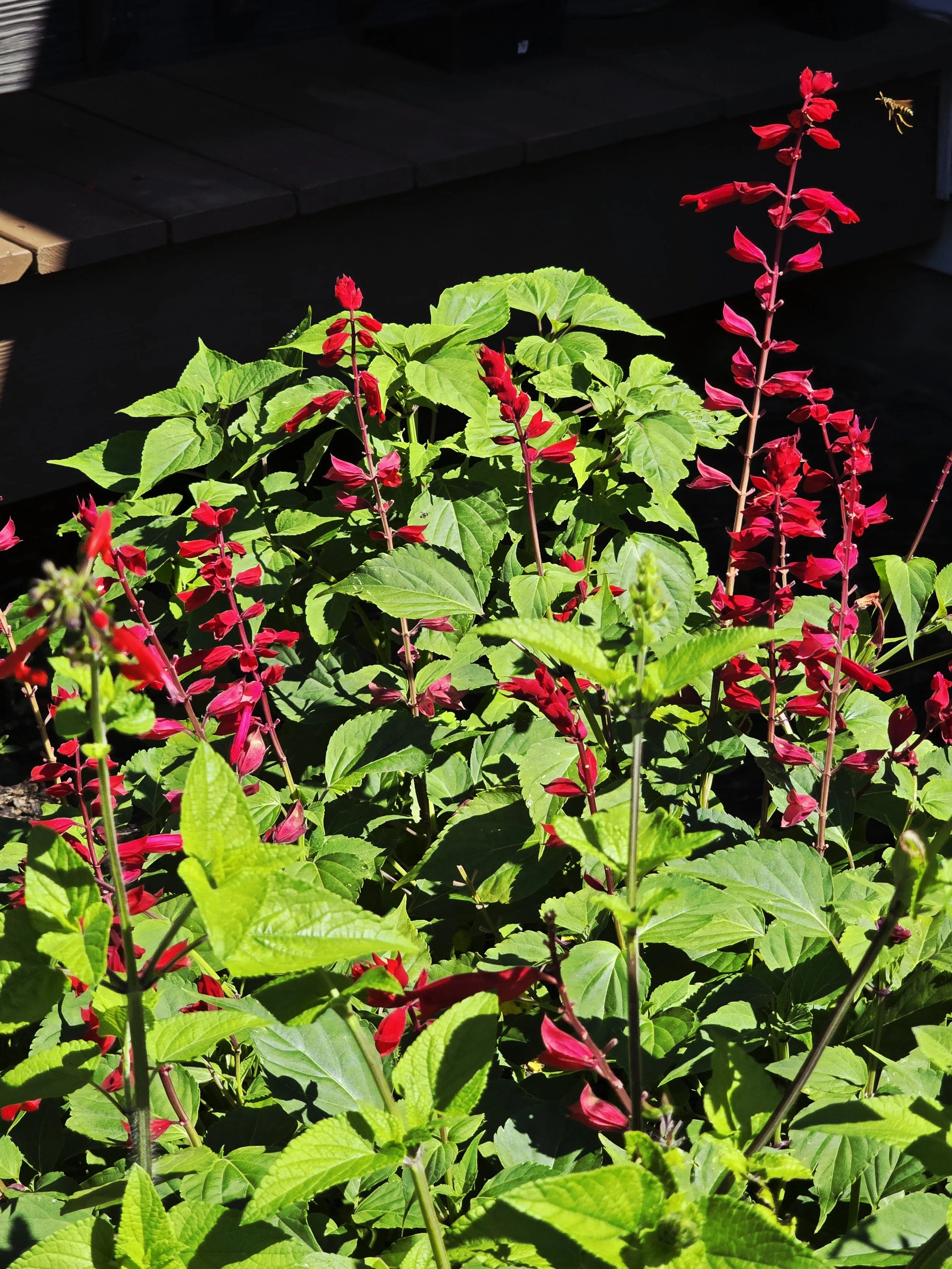
These store bought salvia are honestly very beautiful, however, they have very little nectar. Notice the wasp photo-bombing at the top right.
A lot of the salvia sold at big box garden centers has been bred for looks, not nectar — compact, uniform, shelf-ready plants that photograph well on a store bench but don't put much effort into the reward. The backup plants I bought that first year — the darker, denser Salvia splendens, the classic bedding type — fall right into that category. Pretty. Reliable bloomer. Basically empty for a hummingbird.
## My Doubted Seedlings Come Through
This past winter I expanded my seed starting beyond zinnias — which I'd grown from seed for several years already — into salvia, cardinal climbers, cardinal flowers, bee balm, and hollyhocks, all for the first time. My seed-grown salvia turned out to be Scarlet Sage (Salvia coccinea) — lighter, brighter green, fuzzier leaves, looser flower spikes. Nothing like the backup plants I'd bought out of doubt.
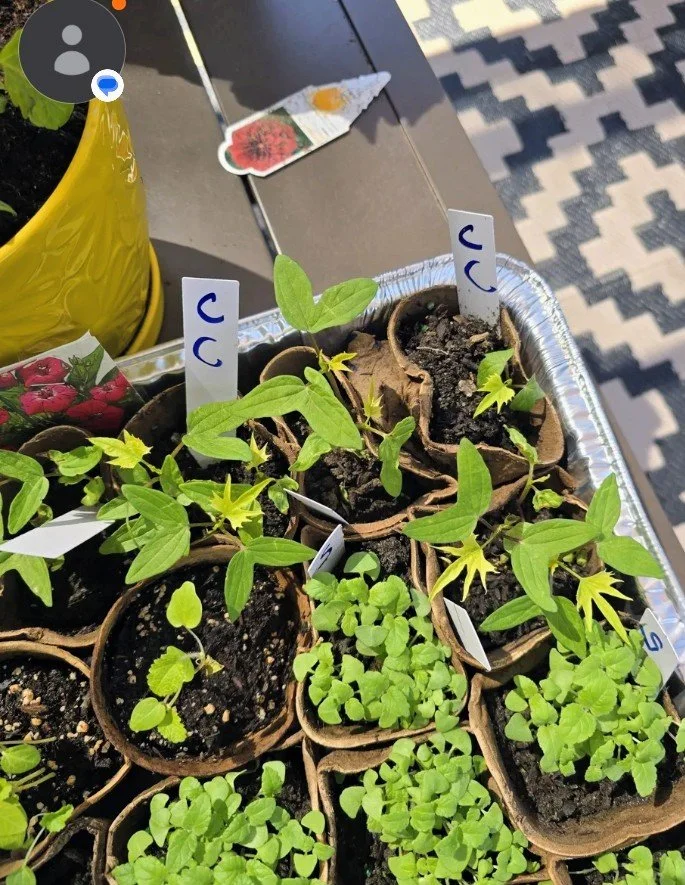
Salvia seedlings at the bottom and Cardinal Climbers at the top of this photo.
Once the seedlings were big enough, I planted them right alongside the store-bought salvia I'd already put in — same bed, same conditions, side by side
Honestly, I almost didn't trust the seeds to come through. Watching them grow so slowly made me nervous enough to buy insurance across the board — more salvia, the trumpet vine, bee balm and columbine from Second Chance, and cardinal flower by mail order. I had faith in my zinnias since I've grown those from seed for years, but I wasn't sure the ones I'd stratified would make it in time.
Turns out I didn't need the insurance. The bee balm from Second Chance is lovely, and I'm glad to have it — but it was the slow, doubted little salvia seedlings that ended up stealing the whole show.
Being a first-time seed starter, I also started later than I should have — my seed-grown salvia didn't bloom until July. Lesson learned for next winter's schedule
But once it started, everything else seemed to catch up all at once. My cardinal flower seedlings are just now blooming too — I ended up with 6 of them, tucked in a nice full bush right next to the AC unit where they've clearly appreciated the extra warmth. Meanwhile, the 2 cardinal flowers I ordered by mail are barely growing at all. Same plant, same bed — but the seed-grown ones are thriving while the purchased ones just sit there. Seems to be a theme this year.
And a couple of bee balm seedlings I started from seed are just beginning to bloom as well — a vivid lavender color growing next to my established bee balm from Second Chance, which has always been a proven hummingbird nectar source. Second-Chance Plants, it turns out, actually has plants with nectar.
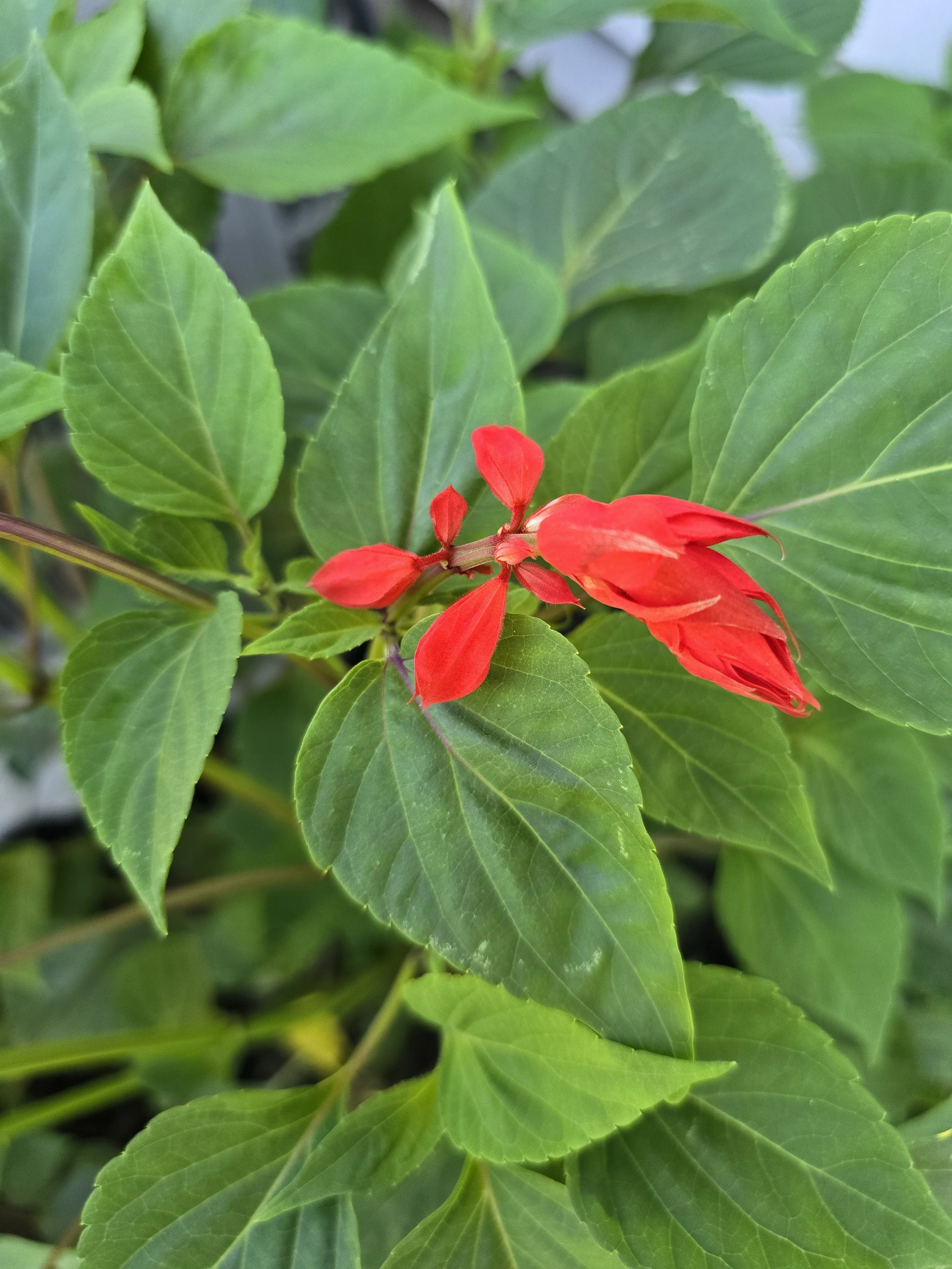
Cardinal Flower, one of my seedlings, is blooming
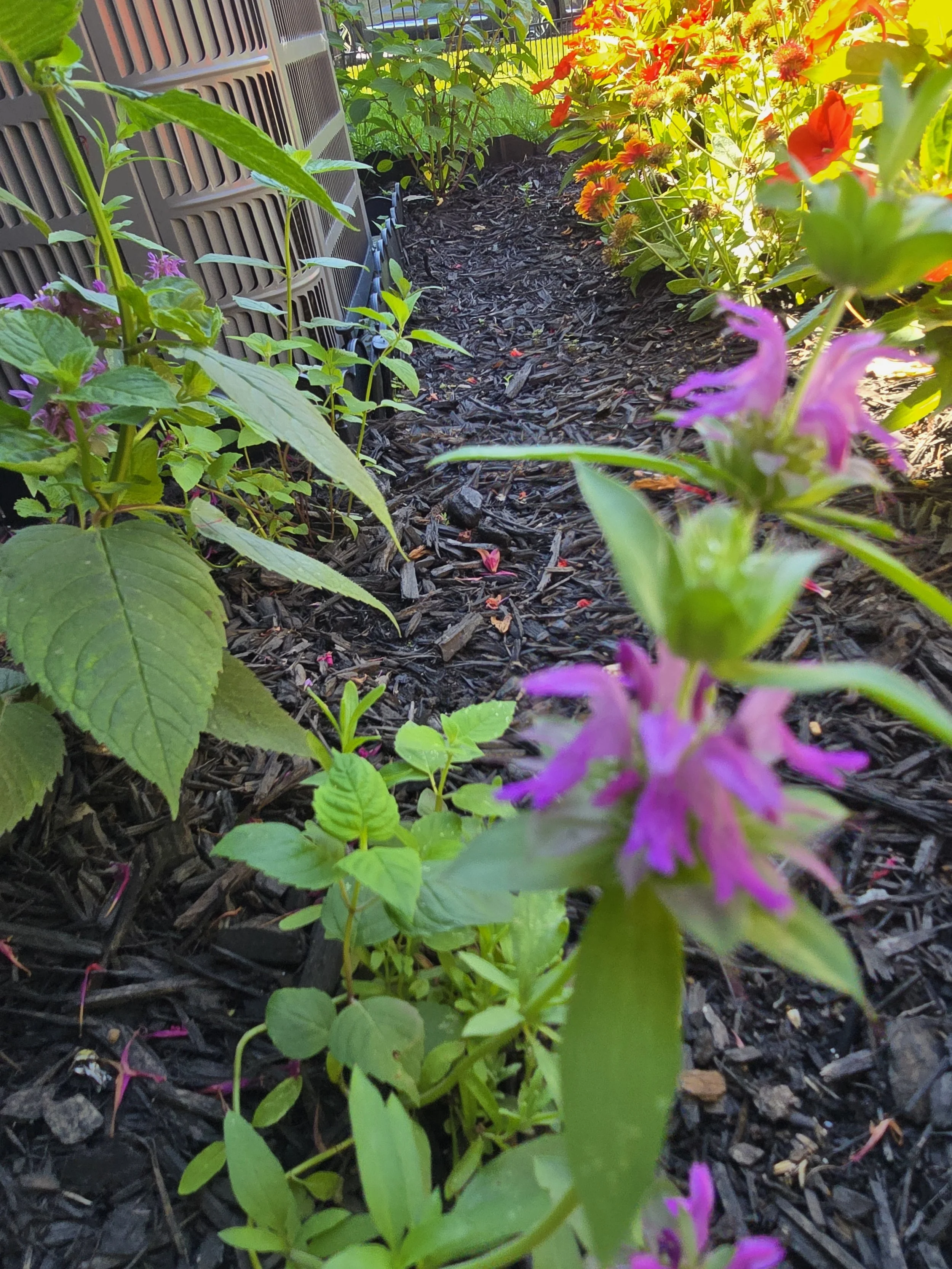
Bee Balm in full bloom.
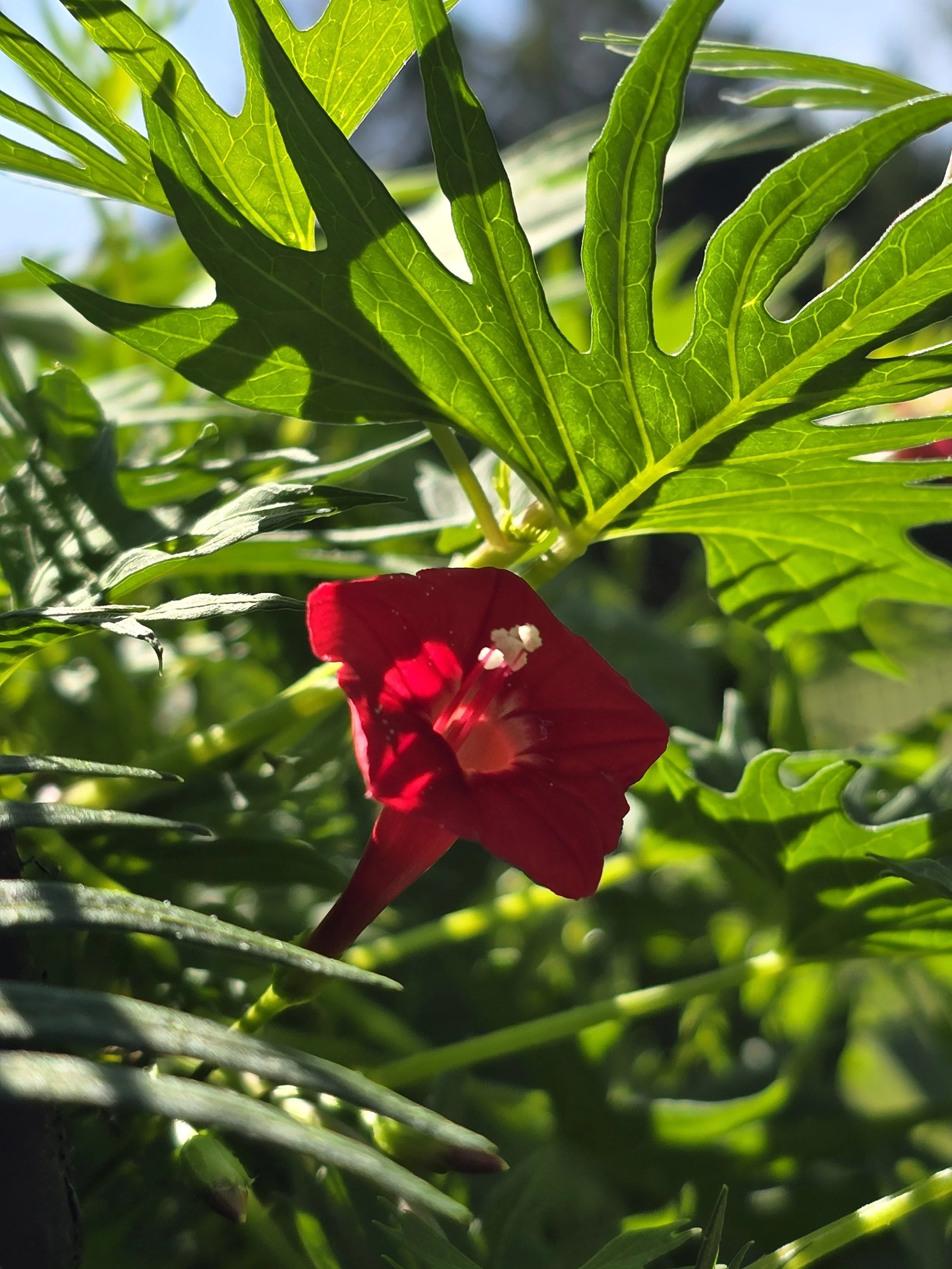
My Cardinal Climbers are also starting to bloom at the very top pf my trellis.
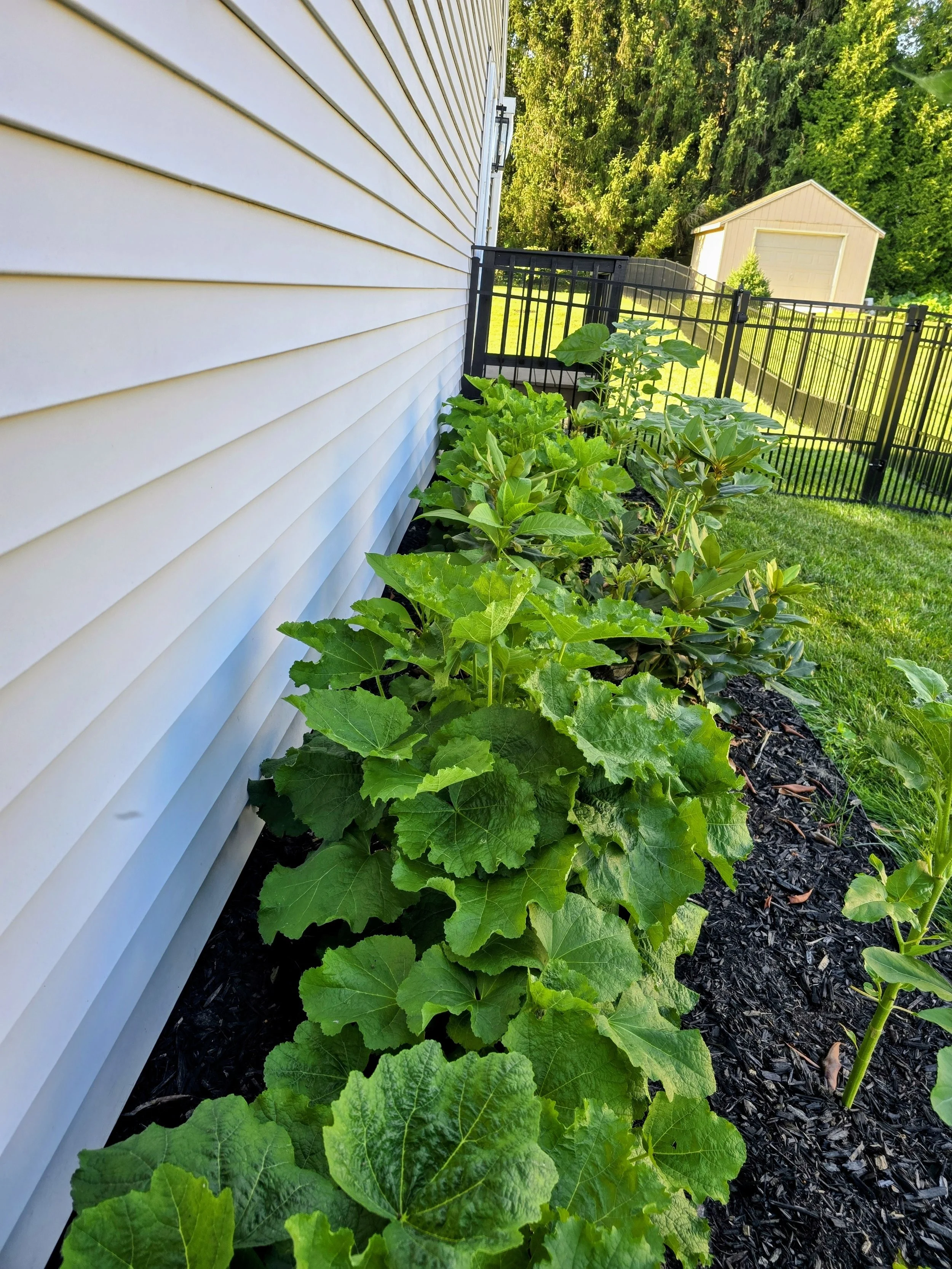
My very healthy Hollyhocks seedlings. They won’t bloom this year but should be knockouts in this east bed next year.
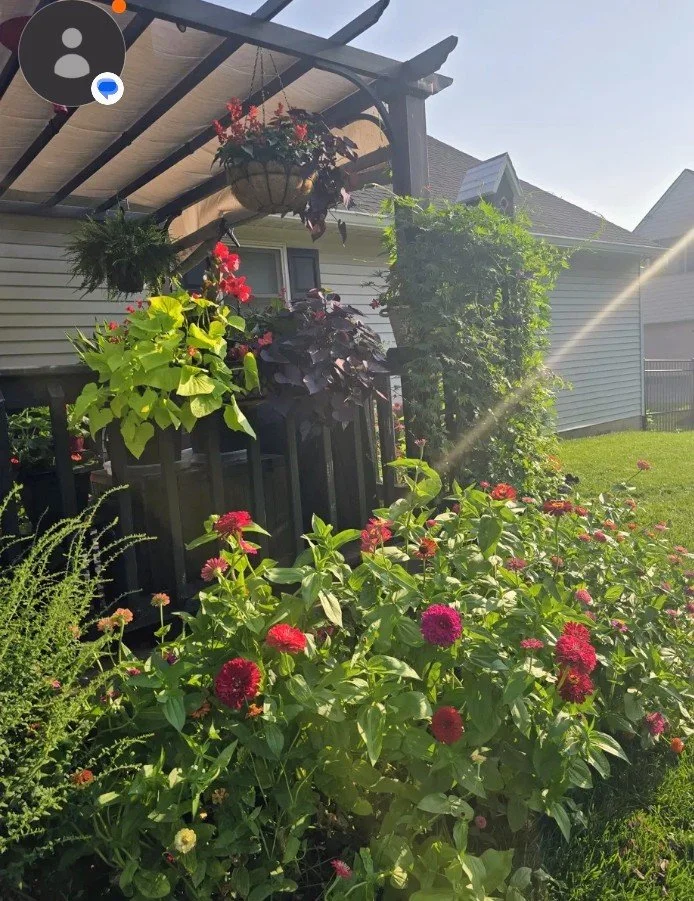
My beautiful Zinnia bed along the south deck.
By this point the seed-grown salvia had shot up into tall spikes, stacked with blooms top to bottom — the real star of the hummingbird haven. It's also been windy enough lately that I've been losing blooms off the stems, so I made sure to get some photos before the wind took any more. Did I tell you the wind blows all the time in York, PA?
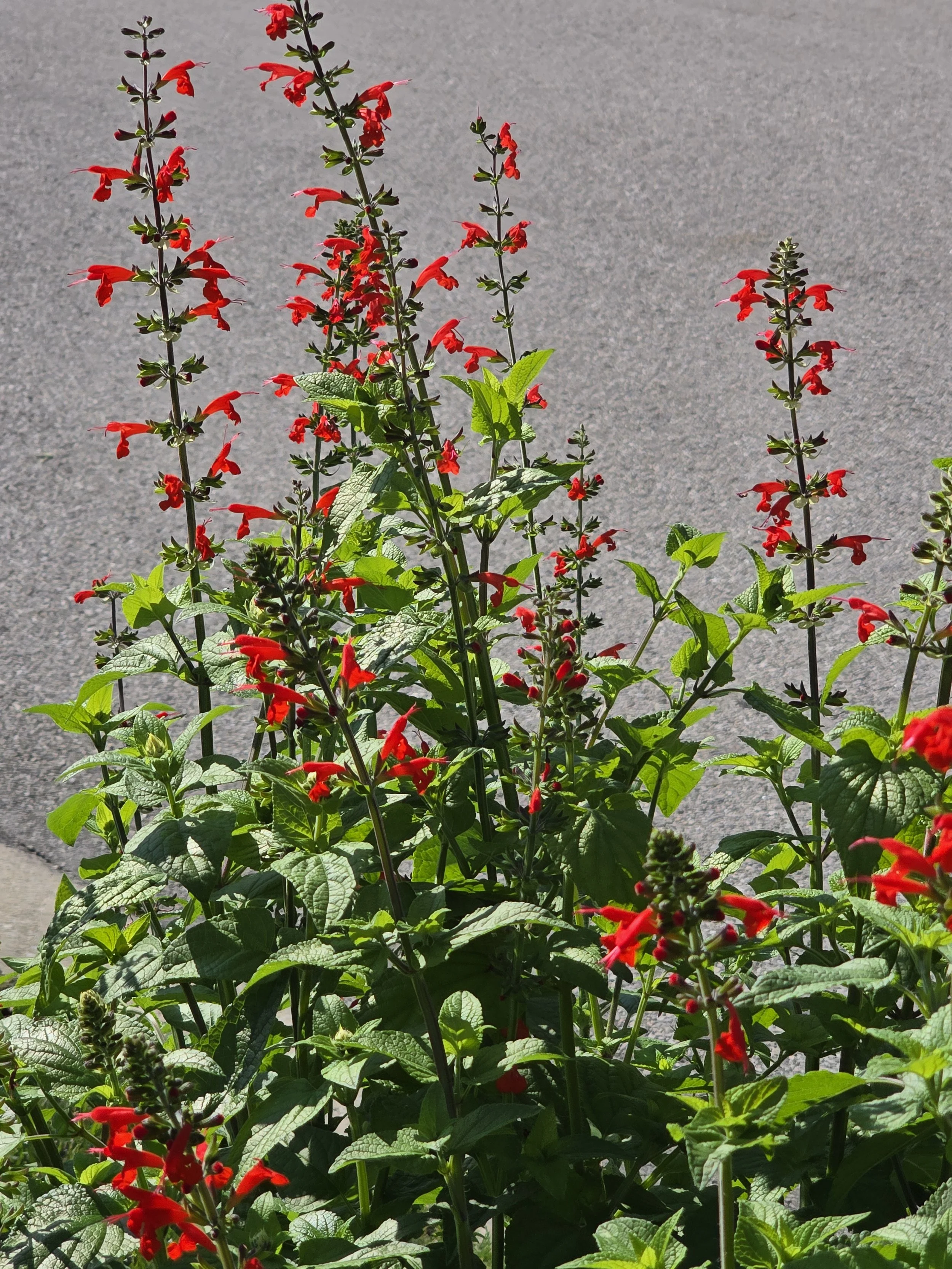
Salvia in my mailbox bed.
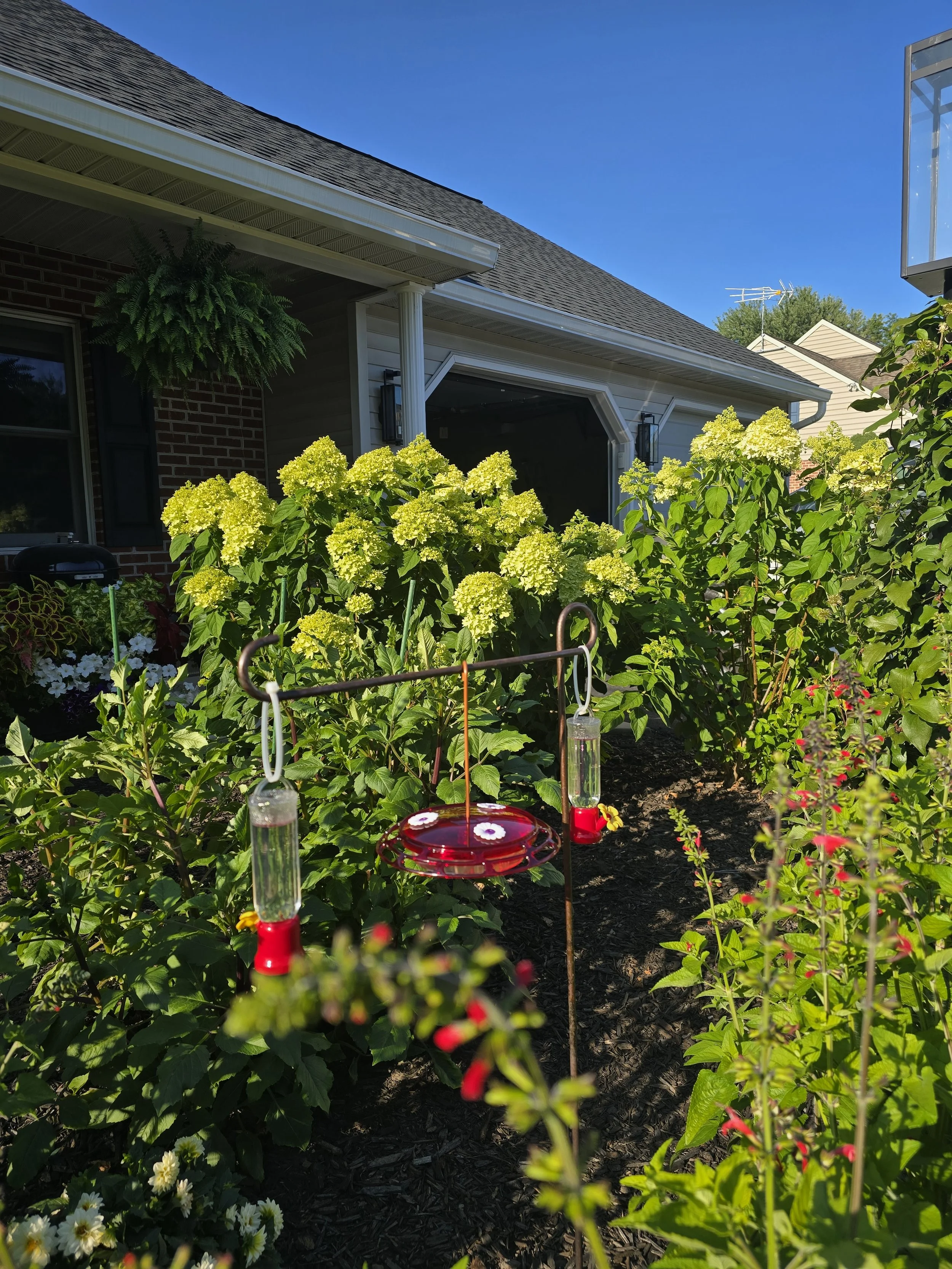
I set up a feeder station in my south facing foundation bed for the hummingbirds. They are living between the mailbox bed and this one.
## The Verdict Was Immediate
The hummingbirds noticed the difference before I did. They ignore the store-bought salvia completely — same as they always have — but they cannot stay off the homegrown Scarlet Sage. It's constant activity now. Multiple hummers working the bed, fighting over the same clump some mornings.
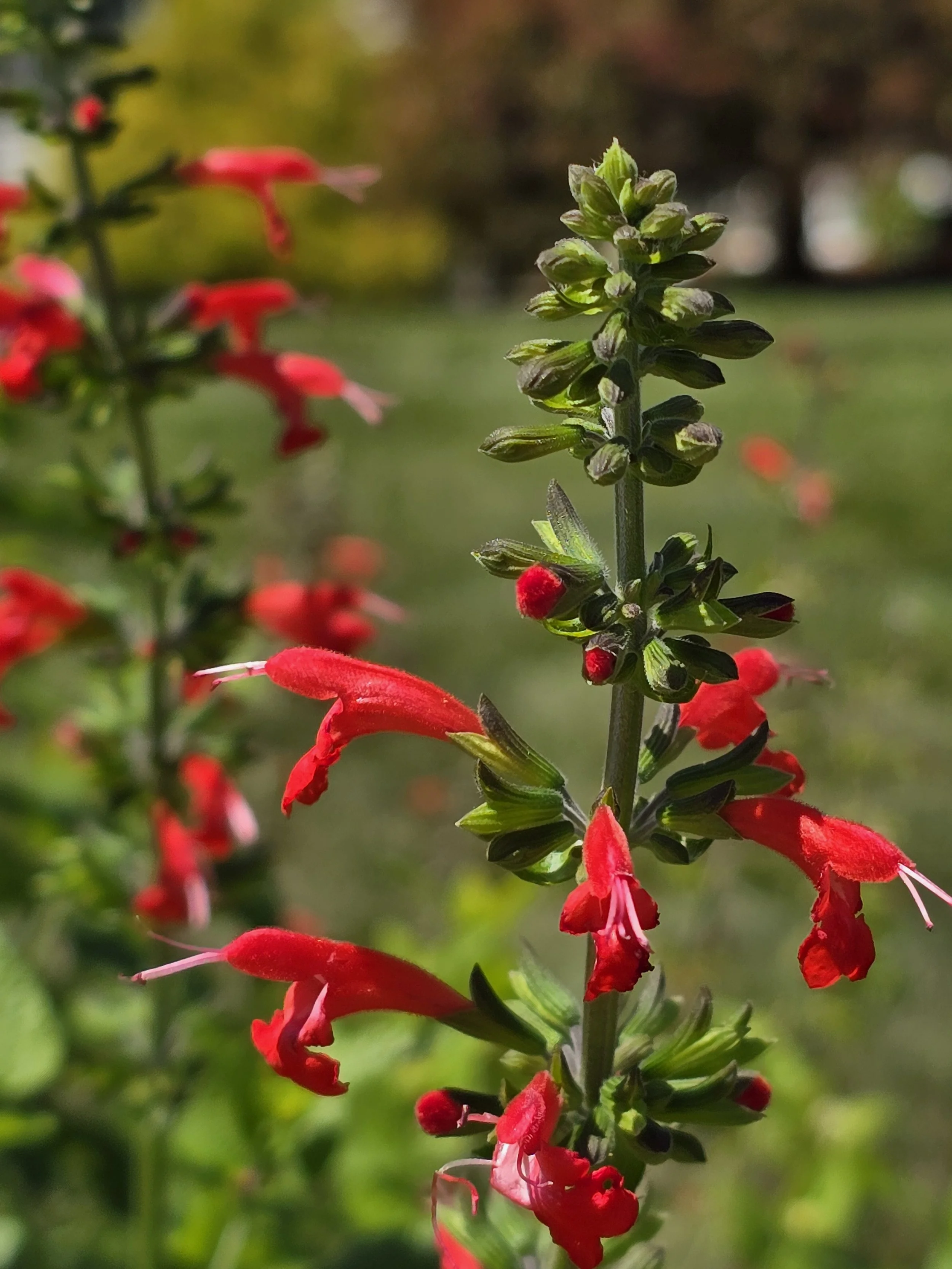
Close-up! Hummingbirds love bugle shaped flowers - This is their favorite!
Same genus. Same red color to the eye. Completely different plant as far as a hummingbird is concerned.
## A Whole Cast of Visitors
The salvia turned out to be the anchor for a much busier corner than I expected. The cardinal flowers and cardinal climbers I grew from seed pull hummingbirds too. Trump the trumpet vine — a mail-order seedling who settled in fast and taking over the trellis — draws them in as well.
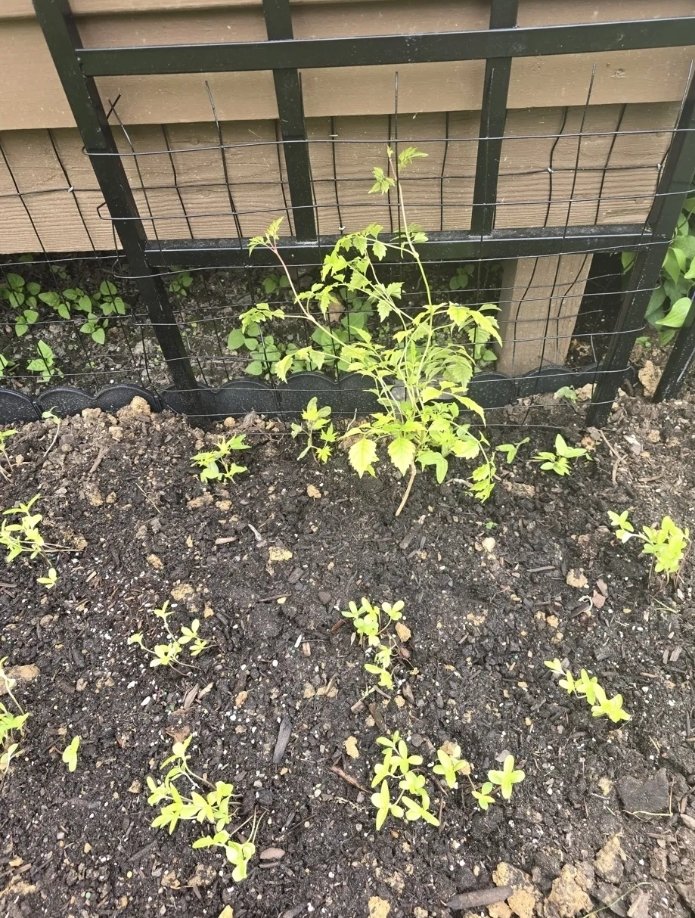
Baby Trumpet vine with Cardinal Climbers looking pale when first planted in May. Zinnias seedlings in front.
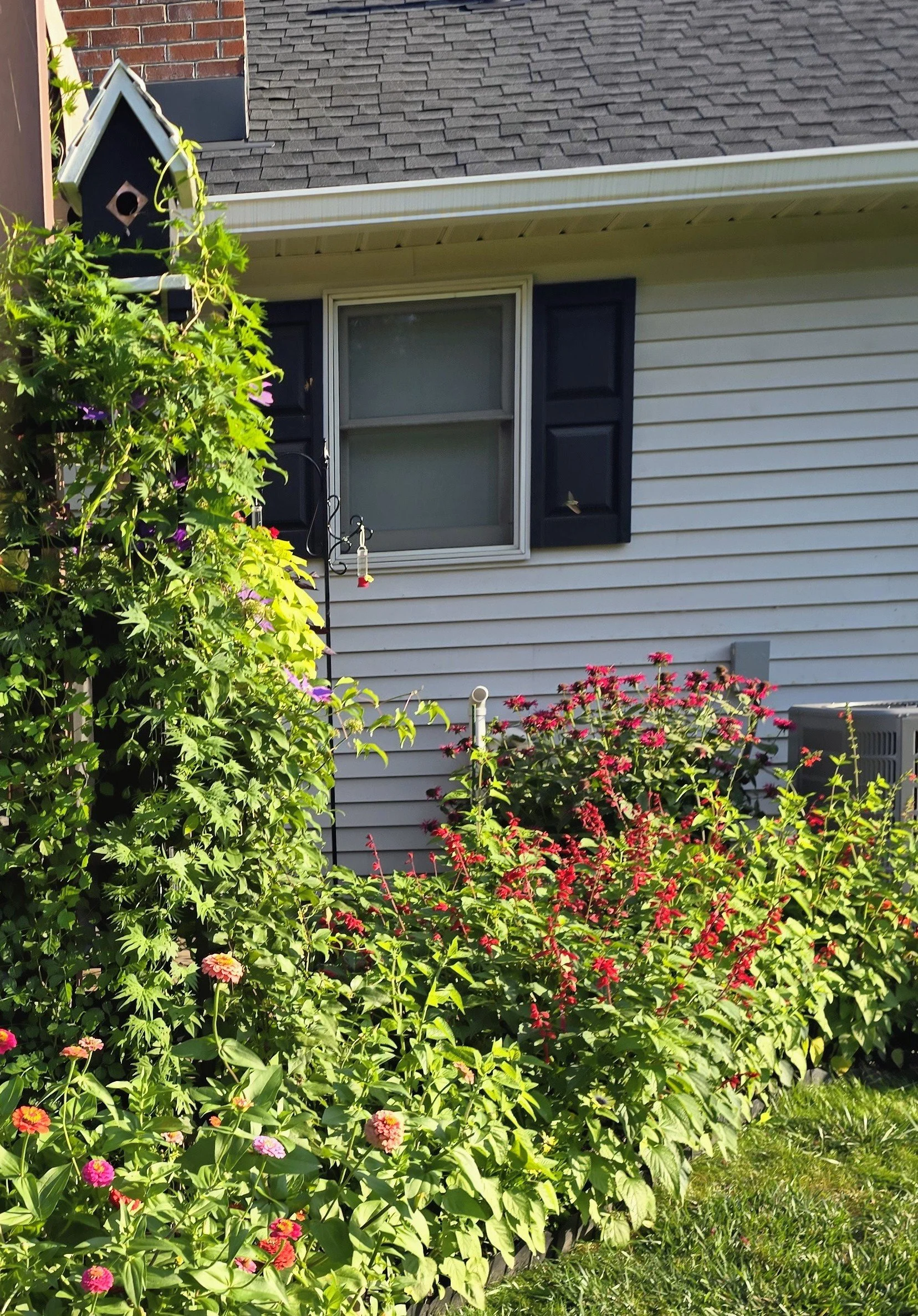
My Trumpet Vine and Carolina Climbers making their way up the trellis. Notice the hummingbird in the top right corner in front of the black shutter.
And the goldfinches have claimed the zinnias as their own — perching and working the seed heads while the hummingbirds work the salvia a few feet away. It's turned into a real multi-species buffet out there.
## The Basement Behind It All
None of this happens without the grow light setup. One ROOMTEC shelving unit, plus a bigger, sturdier unit that made the trip up from Alabama and had been sitting in the garage for storage before I put it to use. Elaruslux grow lights on 12-hour timers, seedling trays lined up under the glow.
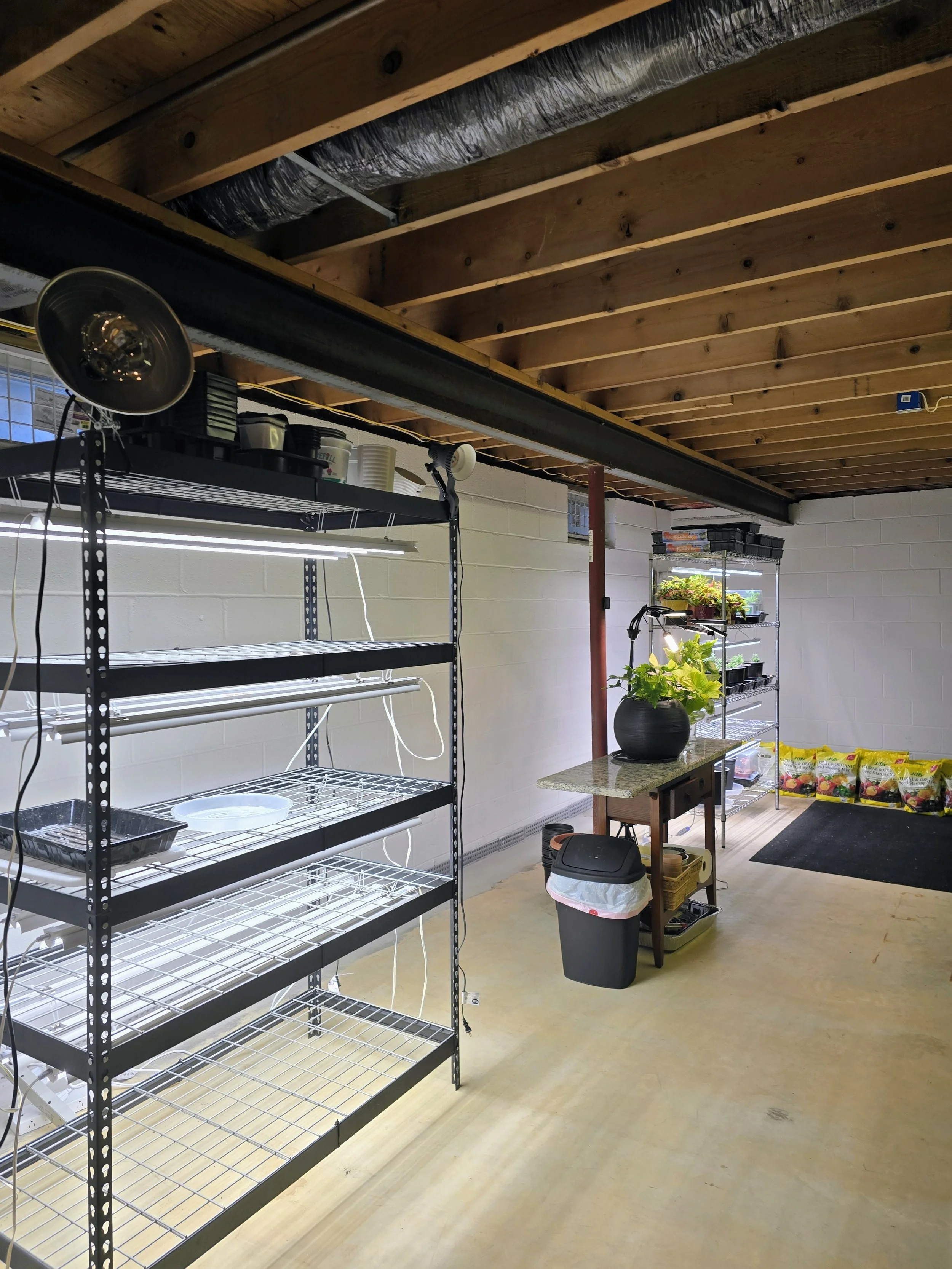
My two grow stations in the basement.
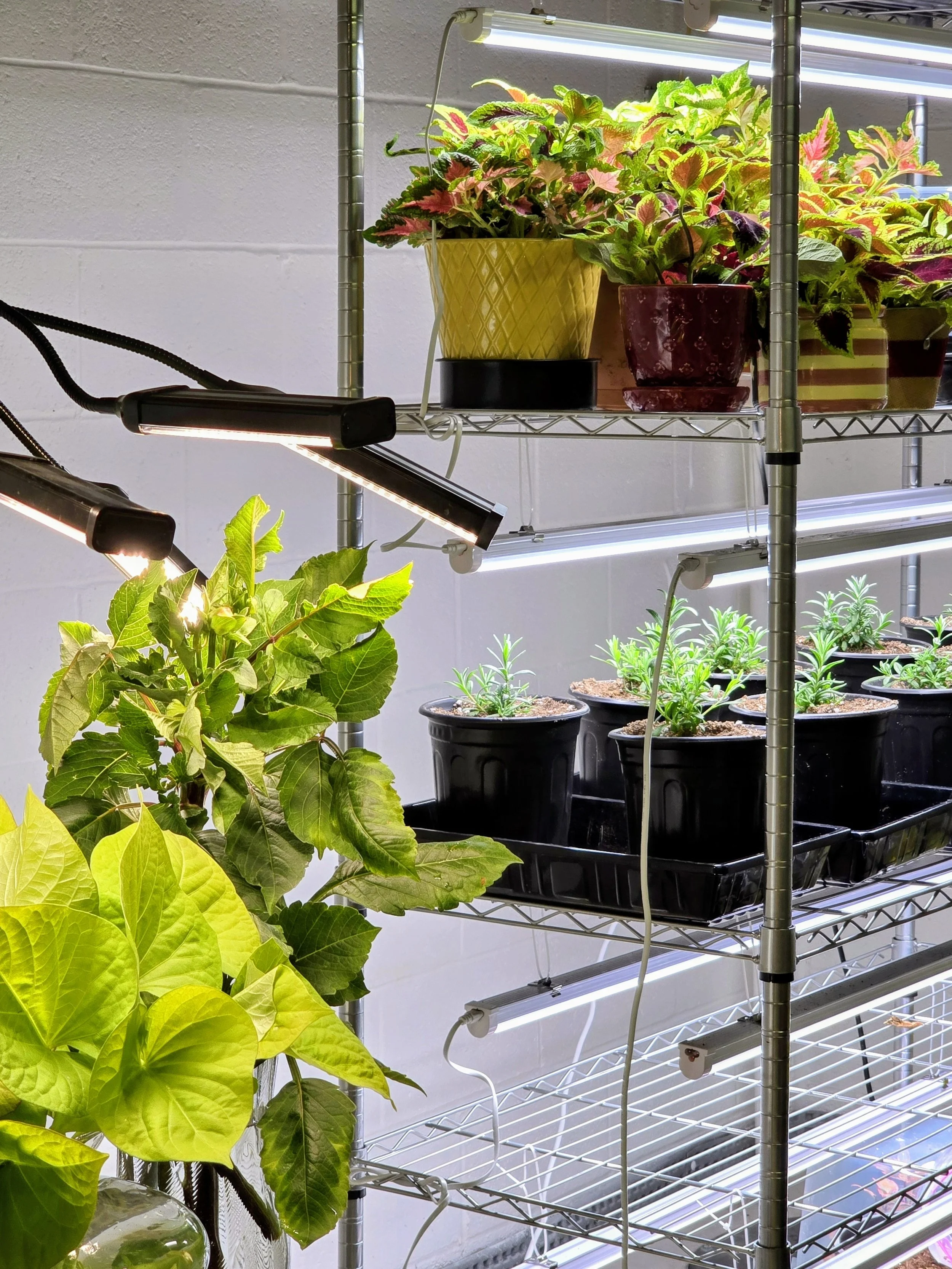
My Coleus I pinched off my walkway planters and my lavender seedings not yet ready to leave the nursery. All these will be next year’s plants, including the sweet potato vines and dahlias on the left.
Last winter was a learning year. I honestly wasn't sure how close the seedlings could safely sit to the lights, and I worried I'd scorch or stress them out. I adjusted as I went, moved lights up and down more than once, second-guessed myself constantly — and every single tray made it. Salvia, cardinal climbers, cardinal flowers, bee balm, zinnias, hollyhocks. All of it came up, all of it got planted out, and all of it is doing exactly what I hoped it would.
I even have 11 healthy lavender plants still coming along in the basement — lavender is notoriously difficult to start from seed, so seeing that many make it feels like real proof the setup works.
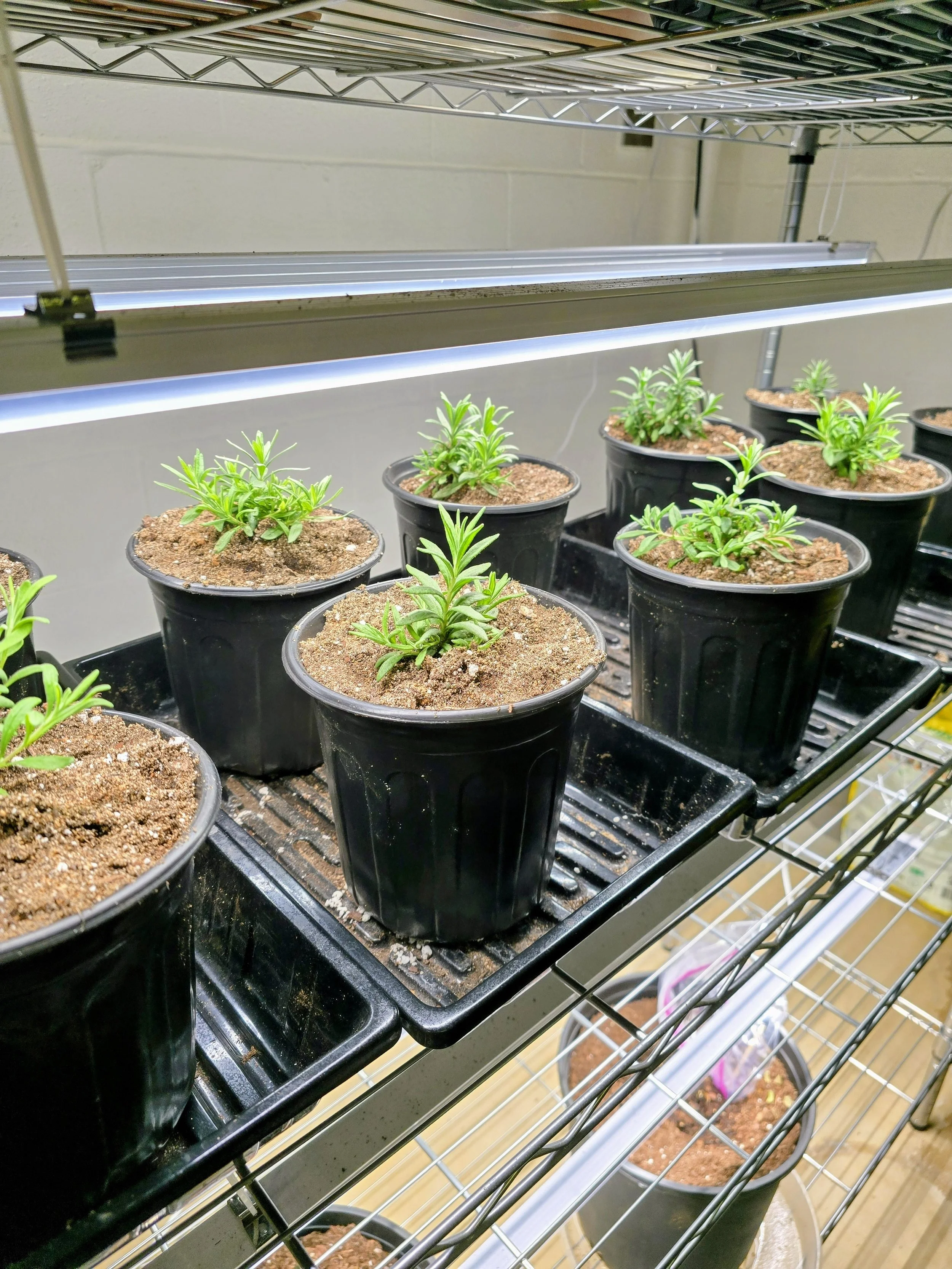
My cranky Lavender seedlings. One is outside on the north deck testing the sunlight for me. Underneath are two Crepe Myrtles who are crankier than the lavender. They were shipped from Alabama and arrived with all the leaves dead. but.. they are still alive..barely
## The Thrift Find That Sealed the Deal
Right as I was finishing up this season, I stumbled onto a thrift store haul that basically set up next winter's rounds for pennies: Ferry-Morse Pro-Hex seed starting kits and Jiffy seed starting mix, $3.33 a piece. I went back twice. Between the grow lights already paid for and now a stack of quality trays and soil at thrift prices, growing my own hummingbird-worthy salvia has cost next to nothing compared to buying transplants year after year that the hummingbirds were never going to visit anyway.
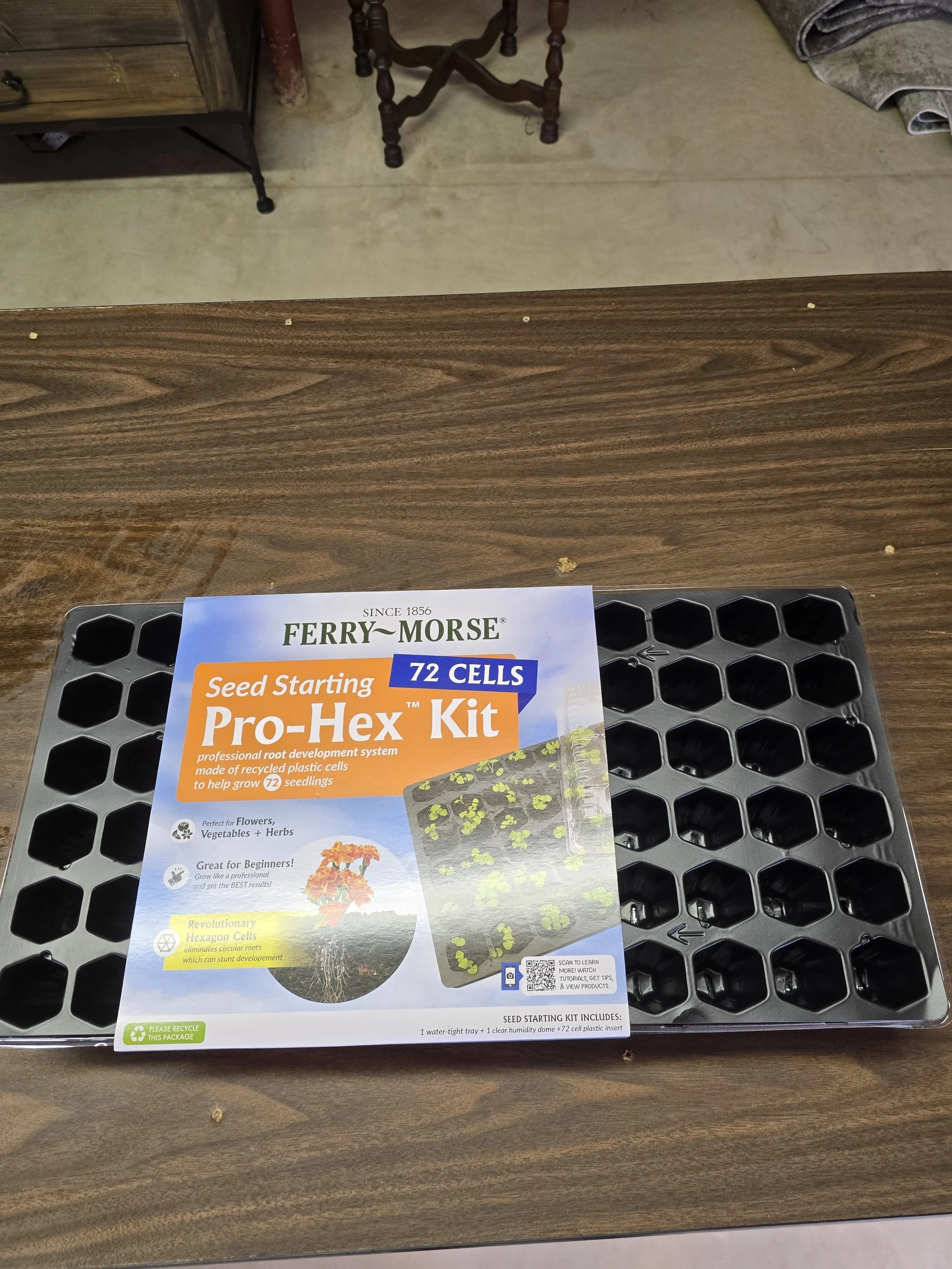
I got eight of these. Saved over $100 on these alone.
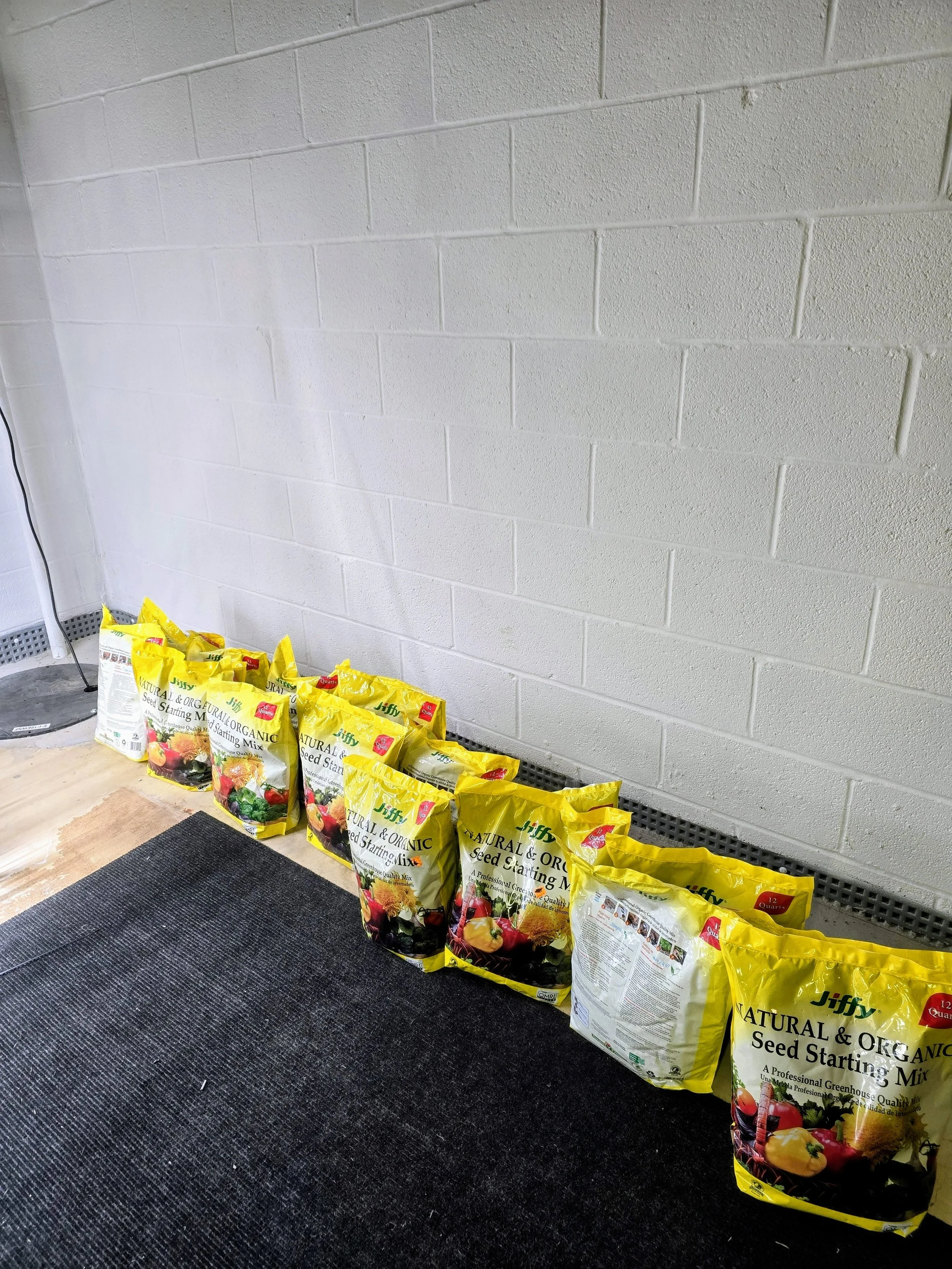
I got sixteen of these and saved over $200 on dirt!
## The Takeaway
If you've ever wondered why your hummingbirds seem to snub the salvia you bought, it might not be your yard, your feeder placement, or bad luck. It might just be the plant. This year, salvia is the star of the hummingbird haven — but it had to be grown, not bought, to earn that title
Between the salvia and the cardinal flowers, I'm convinced now. Next year I want to grow or propagate every single plant myself — no more buying backups out of doubt. If that means adding more grow lights to the basement, so be it.